Looking for the best cam for a Chevy 305? The 305 is a Chevrolet small-block engine, and the right cam depends on its year, lifter arrangement, fuel system, compression, and intended use.
A smaller-displacement street engine can be less forgiving of an aggressive cam than a larger performance build. Consider idle quality, low-speed response, accessory vacuum, gearing, and converter requirements alongside any peak-power goal.
The six options below include flat-tappet and roller designs. Keep those applications distinct, and compare cam-only parts with kits on the same basis before deciding what the upgrade will cost.
Best Cams for Chevy 305
| Image | Model | RPM | Price |
|---|---|---|---|
| COMP Cams 12-246-3 (Top Pick) | 1800-6000 | Check Price |
 | Lunati 10120102LK (Runner Up) | 2000-6000 | Check Price |
 | COMP Cams 12-326-4 | 2000-6000 | Check Price |
 | COMP Cams 08-422-8 | 1600-5400 | Check Price |
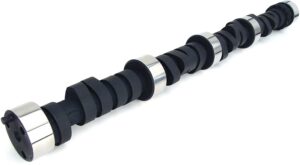 | Comp Cams 12-256-4 | 1200-5200 | Check Price |
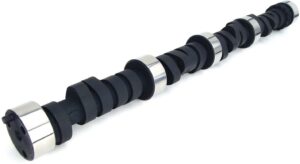 | COMP Cams 12-206-2 | 1200-5200 | Check Price |
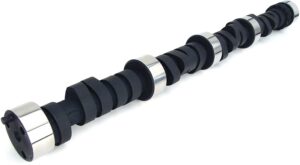
1. COMP Cams 12-246-3 Camshaft (Editor’s Choice)
The COMP 12-246-3 is the XE274H hydraulic flat-tappet cam for a Chevrolet small-block application. Its 230/236-degree duration at 0.050-inch lift makes it a performance-oriented choice, not a universal mild replacement for every 305.
It is worth considering only as part of a suitable engine and drivetrain combination. A 305 with modest compression, restrictive heads, and a stock converter should not be assumed to respond like a larger engine used in an advertised test. Confirm the required springs, clearances, and converter before choosing it.
Features
- XE274H hydraulic flat-tappet cam
- Chevrolet small-block application
- 230/236 degrees at 0.050-inch lift
Pros
- A clearly defined performance option
- Useful when matched to a developed build
Cons
- Can be too aggressive for a modest 305
- Supporting changes may be needed
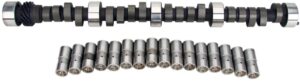
2. Lunati 10120102LK Camshaft (Runner-Up)
The Lunati 10120102LK Bare Bones offer is a Chevrolet small-block cam-and-lifter kit. The linked model identifies a 224/234 hydraulic flat-tappet design, so it belongs in a performance comparison rather than a list of identical stock replacements.
Kit packaging can simplify buying the cam and suitable lifters together, but it does not establish that every spring, timing component, or installation item is included. Compare its requirements with the 305’s compression, heads, gearing, and the way the car is driven.
Features
- Bare Bones 10120102LK
- Chevrolet small-block application
- Cam-and-lifter kit
Pros
- Coordinated cam/lifter format
- Another defined performance option to compare
Cons
- Not a stock replacement for every 305
- The complete combination still matters
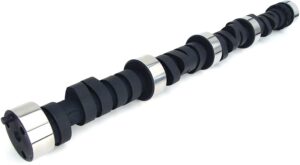
3. COMP Cams 12-326-4 Camshaft
The COMP 12-326-4 Magnum 286H is a hydraulic flat-tappet Chevrolet small-block cam with 236/236-degree duration at 0.050-inch lift. It is a more demanding choice than a mild low-speed street grind.
COMP’s application guidance calls for supporting compression and drivetrain changes. In a 305, that trade-off deserves particular attention: a rough idle and higher-rpm emphasis may not suit a daily-driven car with a stock converter. Choose it for a planned combination rather than the idle sound alone.
Features
- Magnum 286H model
- Hydraulic flat-tappet design
- 236/236 degrees at 0.050-inch lift
Pros
- A specific choice for a coordinated performance build
Cons
- Not a mild universal 305 upgrade
- Compression, gearing, and converter requirements matter
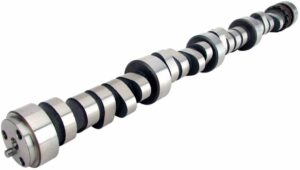
4. COMP Cams 08-422-8 Camshaft
The COMP 08-422-8 is a hydraulic roller cam for the appropriate OE-roller Chevrolet small-block application. It is not a direct flat-tappet replacement simply because both engines are small-block Chevrolets.
The linked offer is camshaft-only. Confirm the block’s roller arrangement, compatible lifters, retention hardware, springs, and clearances before comparing its installed cost with a flat-tappet kit. Its 218/224 duration designation is only part of the choice; the required hardware matters just as much.
Features
- 08-422-8 OE-roller SBC application
- Hydraulic roller design
- Camshaft-only offer
Pros
- Relevant to the appropriate roller-equipped block
- A clearly identified alternative design
Cons
- Not a simple swap into every flat-tappet block
- Lifters and installation hardware are not assumed included
5. Comp Cams 12-256-4 Camshaft
The COMP 12-256-4 is the XE Computer Controlled 212/218 hydraulic flat-tappet cam. It is a more directly relevant option to discuss for an appropriate computer-controlled 305 combination than assuming every performance cam works with the existing fuel system and calibration.
The linked offer is camshaft-only, not a complete kit of lifters, springs, timing parts, locks, and seals. Confirm the exact application and tuning requirements, then price the supporting work on the same basis as the other options.
Features
- 12-256-4 computer-controlled application
- 212/218 hydraulic flat-tappet designation
- Camshaft-only offer
Pros
- A targeted option for a suitable computer-controlled build
- Milder duration than several alternatives here
Cons
- Exact fuel-system and calibration suitability must be confirmed
- Supporting parts are separate unless specified
6. COMP Cams 12-206-2 Camshaft
The COMP 12-206-2 High Energy/Marine is a 212/212 hydraulic flat-tappet Chevrolet small-block model. It is a milder-duration alternative to the larger performance grinds in this list, worth discussing for an appropriate street combination.
Do not infer a complete package from the cam number or treat the marine series label as universal fitment. Match the exact application and required components with the builder. A smaller cam can be a more useful choice when low-speed behavior and an otherwise modest engine are the priorities.
Features
- 12-206-2 hydraulic flat-tappet model
- Chevrolet small-block family
- 212/212 duration designation
Pros
- A milder alternative within this comparison
- Useful when the intended combination favors low-speed behavior
Cons
- Application and supporting parts still require checking
- No guaranteed output or fuel-economy gain
How to Pick the Best Cam for a Chevy 305?
Identify the exact Chevy 305 configuration, including flat-tappet or roller hardware and the fuel system. Engine-family details matter: a 454 cam application uses different parts.
RPM Range of a Good Cam for a Chevy 305
Choose for the engine speeds the car actually uses. Vehicle weight, gearing, converter or clutch, heads, and compression influence how useful a cam will feel. The same cam can behave differently in a 305 and a larger small-block build.
Valve Lift
Lift must suit the heads, springs, retainers, seals, and available clearances. Rocker ratio also affects valve lift. More lift is not automatically better, and the required checks apply even when the cam is described as a bolt-in upgrade.
Performance of Chevy 305 Camshafts
A larger cam can trade low-speed behavior and accessory vacuum for higher-rpm potential. Do not choose a cam for another engine family on a similar duration figure. Compare complete combinations rather than a horsepower promise for a different test engine.
The Best Cam for a Chevy 305: Price Range
Compare the installed budget, including lifters, springs, timing components, gaskets, labor, and any calibration work. Cam-only and complete-kit offers are not equivalent. Our 4.8 Silverado cam guide covers a different engine generation and should not be used as a 305 fitment list.
Wrap-Up: the Best Cam for a Chevy 305
For a modest build, discuss the smaller-duration choices and the actual fuel system with the builder before moving to the XE274H or Magnum 286H. The 12-256-4 has a more specific computer-controlled application, while the 08-422-8 requires the appropriate roller hardware.
The best cam for a Chevy 305 is a compatible part that delivers the balance of idle, road-speed response, and performance the car needs.