
Looking for the best cam upgrade for a Harley 103? The Feuling Reaper 574 is the pick for a compatible Twin Cam 103 built for stronger midrange and upper-rpm pull. For low-rpm touring, compare the S&S 551C and confirm the fit with your engine builder.
Best Camshafts for Harley 103 – Comparison Table
| Image | Model | Price |
|---|---|---|
| Feuling Reaper 574 (1009) (Editor's Choice) | Check Price |
 | S&S 583C (330-0106) | Check Price |
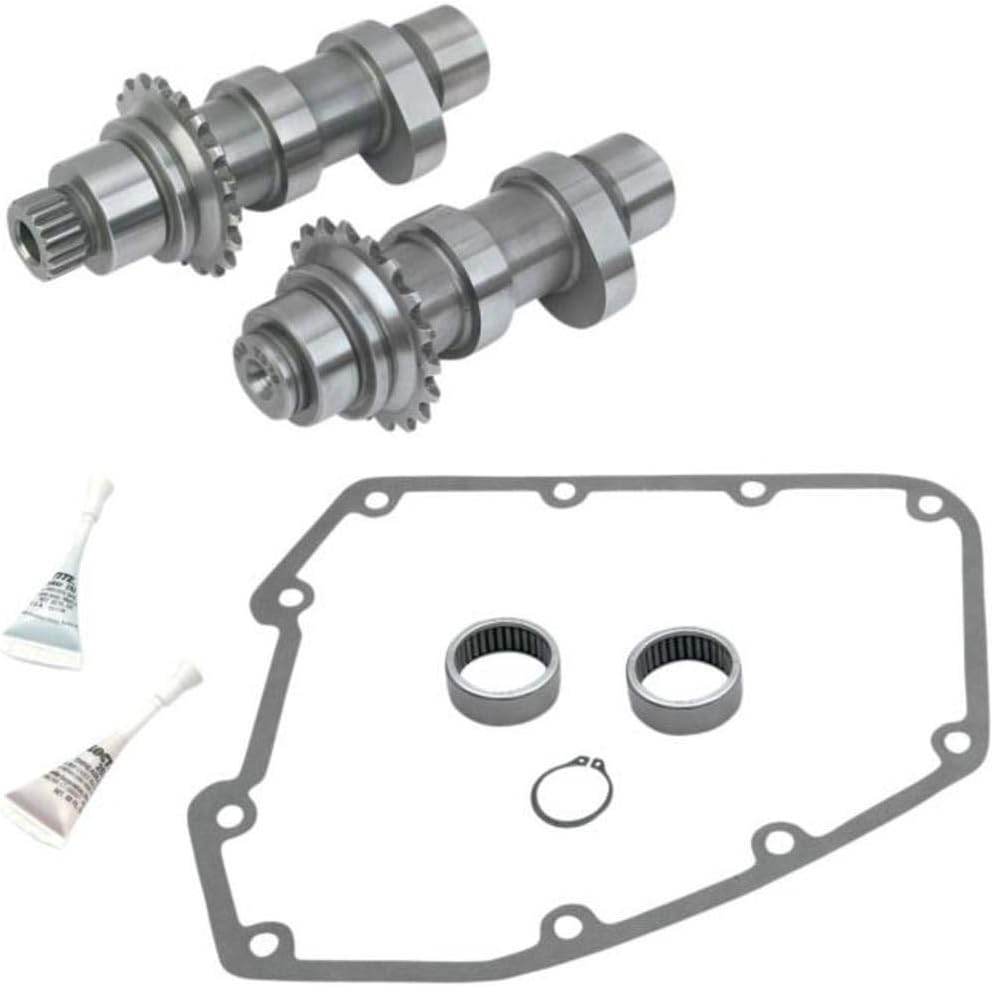 | S&S 551C (106-4858) (Best for Low-RPM Touring) | Check Price |
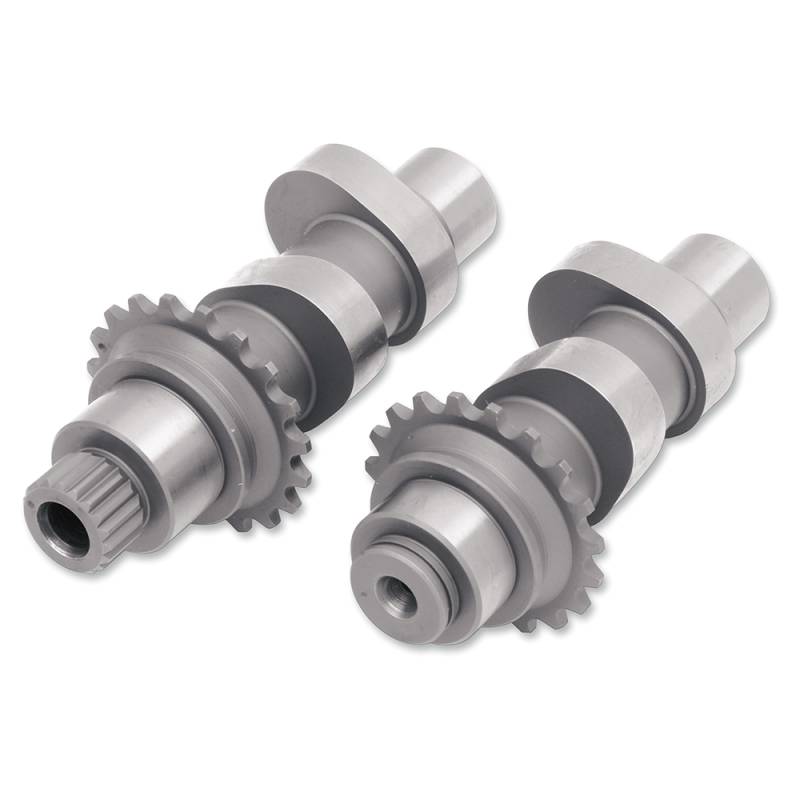 | Andrews 48H (216348) | Check Price |
1. Feuling Reaper 574 (1009) (Editor’s Choice)
The Reaper 574 remains the overall choice for a rider who wants a broader performance build, rather than a cam aimed almost entirely at low-speed pulling. Feuling positions this grind for useful low-end response with stronger midrange and upper-range performance, and specifically lists stock 103-inch engines among its applications.
The exact 1009 is the later chain-drive version. Its .574-inch intake and exhaust lift and smooth lobe design give it a clear role in a coordinated intake, exhaust and tuning package. Feuling permits factory valve springs on the relevant later engines, while recommending performance pushrods and lifters.
The appeal is room to grow: the grind also responds to suitable head work and increased compression. The compromise is focus. If most rides are relaxed, loaded touring at low rpm, the 551C below is the more targeted choice. The 574 suits an owner who will use more of the rev range.
Features
- Later Twin Cam chain-drive part 1009
- .574-inch intake and exhaust lift
- Manufacturer lists stock 103-inch applications
Pros
- Broad performance focus with scope for further engine work
- Factory springs permitted for the documented later application
Cons
- Less focused on very low-rpm touring than the 551C
- Best assessed as part of the whole engine combination
2. S&S 583C (330-0106)
The 583C is a good reminder that more lift does not automatically mean a high-rpm race cam. S&S describes the 583 as a street-oriented grind for Softail and Dyna models, concentrating its useful performance in the 1,500-5,000 rpm region. That is a more relevant brief for many road bikes than chasing a peak near redline.
Its .583-inch lift is paired with a short intake event and a different exhaust profile. The combination is intended to make everyday roll-on performance useful, rather than simply turning the largest lift figure into a selling point. The exact 330-0106 is a later Twin Cam chain-drive set.
Use the 330-0106 only for the later chain-drive setup specified by S&S. A gear-drive installation needs a different part. This is an appealing street option for the documented engine family, with the usual clearance and calibration work included in the installation plan.
Features
- Later chain-drive set 330-0106
- .583-inch lift
- Street-focused 583 profile
Pros
- Manufacturer targets usable road-speed performance
- Relevant option for matching Twin Cam Softail and Dyna builds
Cons
- Chain-drive design; not a gear-drive conversion
- Requires a matched installation and fuel calibration
3. S&S 551C (106-4858) (Best for Low-RPM Touring)
The 551C is the most focused touring choice in this group. S&S designed the 551 profile for stock or mildly modified touring engines, with its strongest emphasis from idle to around 4,000 rpm. That makes its purpose easy to understand: useful pulling power where a loaded road bike spends much of its time.
The 106-4858 is the later chain-drive version. It keeps the installation in the matching hydraulic-tensioner cam family instead of turning the project into a gear-drive conversion. Its appeal is a sensible, torque-oriented combination without making high engine speed the center of the ride.
Compression is the important limit. S&S does not recommend the 551 profile at 10:1 or above, so an engine with higher-compression pistons needs a different choice. For a suitable, modest-compression 103, this is the cam to compare when passenger rides and relaxed touring matter more than extending the top end.
Features
- Later chain-drive kit 106-4858
- Low- and midrange touring focus
- Intended for stock or mildly modified combinations
Pros
- Clear emphasis on useful low-rpm performance
- Avoids the extra requirements of a gear-drive conversion
Cons
- Not recommended at compression ratios of 10:1 or higher
- Not the first choice for a high-rpm performance build
4. Andrews 48H (216348)
The 48H is a useful Andrews option for a street-focused 103. Its .548-inch lift and relatively restrained intake event keep the brief sensible: improve the working combination without choosing a grind mainly because it looks aggressive on paper.
Andrews lists the 216348 in its later Twin Cam roller-chain family and includes the 48H among the cams intended to bolt into engines with stock heads and pistons. That is a meaningful starting point for a road-bike upgrade. It still calls for the installer to verify the actual clearances and condition of the engine, rather than treating the word bolt-in as a waiver of normal checks.
The exact number separates it from earlier Twin Cam versions sold under similar TW48 wording. Choose 216348 for the documented later application. Its attraction is a measured street build; a more extensively developed engine may justify a different grind with a longer intake event.
Features
- 48H grind, manufacturer part 216348
- .548-inch valve lift
- Later Twin Cam roller-chain application
Pros
- Manufacturer includes 48H in its stock-head/piston bolt-in group
- Conservative alternative for a street-oriented combination
Cons
- Similar TW48 names can refer to different cam generations
- Clearance checks and suitable tuning remain part of the job
How to Pick the Best Cam Upgrade for a Harley 103?
For the intake side of a Harley 103 project, see Air Cleaner For Harley 103: Top 4 Models; the air-cleaner and camshaft requirements should each be checked for the actual build.
This guide focuses on the later Twin Cam 103 family and the matching chain-drive hardware. Earlier Screamin’ Eagle 103 engines and engines built from an earlier Twin Cam can use different parts. Confirm the engine’s actual year and cam-drive arrangement before choosing a profile.
Choose around the complete Twin Cam 103 engine and the riding you actually do. Record the engine year, cam-drive hardware, compression, heads, intake, exhaust and previous modifications before comparing grinds.
- Purpose: A heavy touring bike carrying a passenger needs useful response at normal road speeds. More peak power is welcome only if the engine remains pleasant where you spend most of the ride.
- Engine combination: The cam’s lift and timing must work with the springs, piston-to-valve clearance, pushrods, lifters and compression. Manufacturer bolt-in guidance assumes the specified engine, not every modified example.
- Drive type: All four exact parts in this comparison are later-family chain-drive cams. Similar grind names also appear on earlier or gear-drive versions, so match the complete part number.
- Tuning: Plan a fuel and ignition calibration appropriate to the finished combination. A mechanical bolt-in fit does not establish that the existing tune is correct.
Owners of an earlier engine can compare our guide to cams for a stock Twin Cam 88. For a separate automotive project, our stock 454 cam guide covers a different engine family.
Harley 103 Cam Upgrade Cost
Compare the whole installed job: camshafts, bearings, gaskets, worn cam-drive parts, any required valvetrain components, labor and tuning. A pair of cams and a more complete kit do not represent the same purchase. A clear parts list is more useful than a universal budget figure.
Purpose
For low-rpm touring, the S&S 551C has the clearest brief, provided the compression ratio stays within its recommendation. The 583C and Andrews 48H offer other street-oriented approaches. The Feuling 574 makes more sense when you want to use a broader performance range and leave room for suitable supporting upgrades.
Wrap-Up: the Best Cam Upgrade for a Harley 103
The Feuling 574 remains the overall choice for a well-matched later 103 build with broader performance goals. The S&S 551C is the focused touring alternative; the 583C and Andrews 48H deserve a look when their street-oriented profiles match the engine and riding.
The best cam upgrade for a Harley 103 is a coherent combination of the right cam family, profile, supporting parts and calibration. Choose the character you want on the road, then have the actual engine checked against the manufacturer’s requirements.