Looking for the best cams for a stock Twin Cam 88? Choose the riding character first: relaxed touring, a broader street powerband or a more developed cam-chest project. The seven options below have different strengths, and a higher lift figure is only one part of the decision.
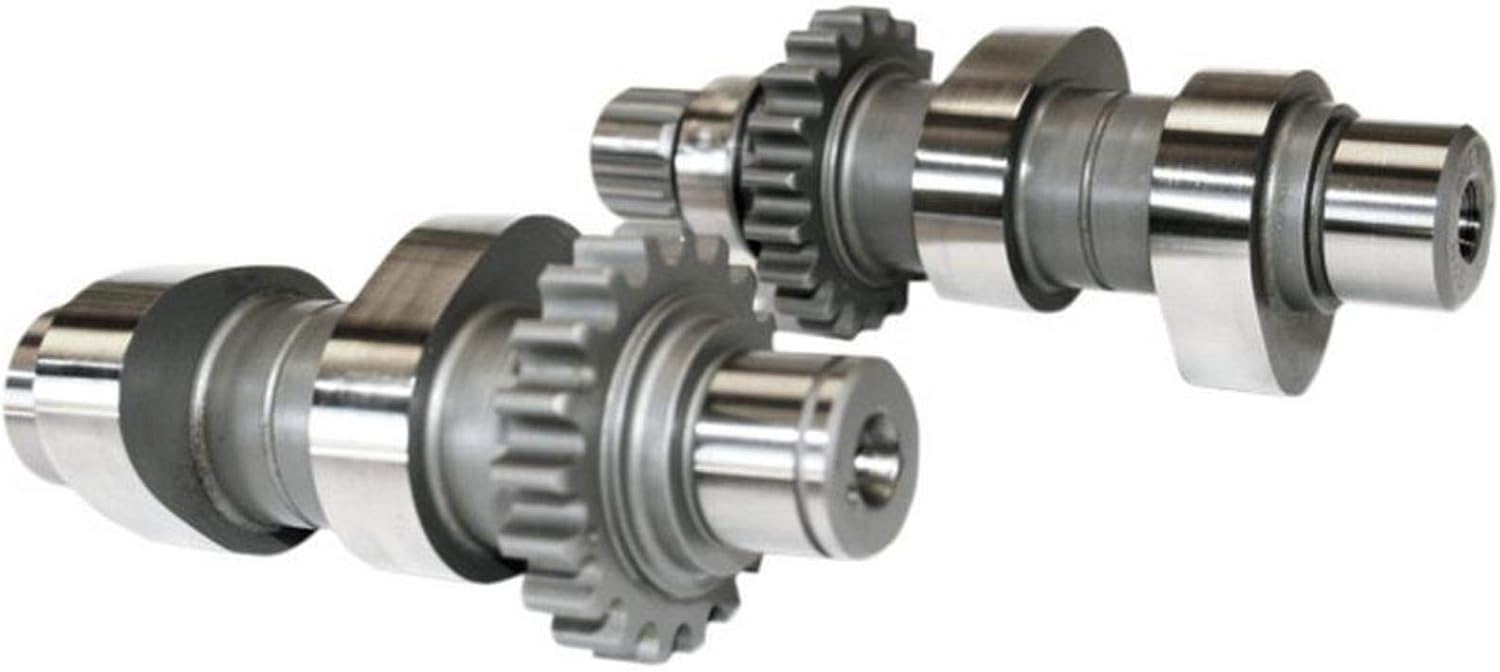
This comparison focuses on the early 1999-2006 Twin Cam family, excluding the 2006 Dyna. It includes chain-drive upgrades and two gear-drive kits, with their different installation requirements explained in the reviews. A previously converted engine needs its actual hardware checked rather than being selected by model year alone.
The S&S 509C is the overall starting point for a stock-style street upgrade. Some other options need additional work: the Feuling 543 requires performance springs on 1999-2004 engines, while gear-drive kits require the appropriate crankshaft and gear setup.
The Top 7 Best Cams for Stock Twin Cam 88:
| Image | Model | Price |
|---|---|---|
 | Andrews TW37B (288137) | Check Price |
| S&S 509C (330-0016) (Editor's Choice) | Check Price |
 | Feuling Reaper 525 (1001) | Check Price |
 | Feuling Reaper 543 (1000) (Best for Highway Use) | Check Price |
 | Andrews TW26A (288126) | Check Price |
 | S&S 510G (33-5177) | Check Price |
 | S&S 475G (106-4033) | Check Price |
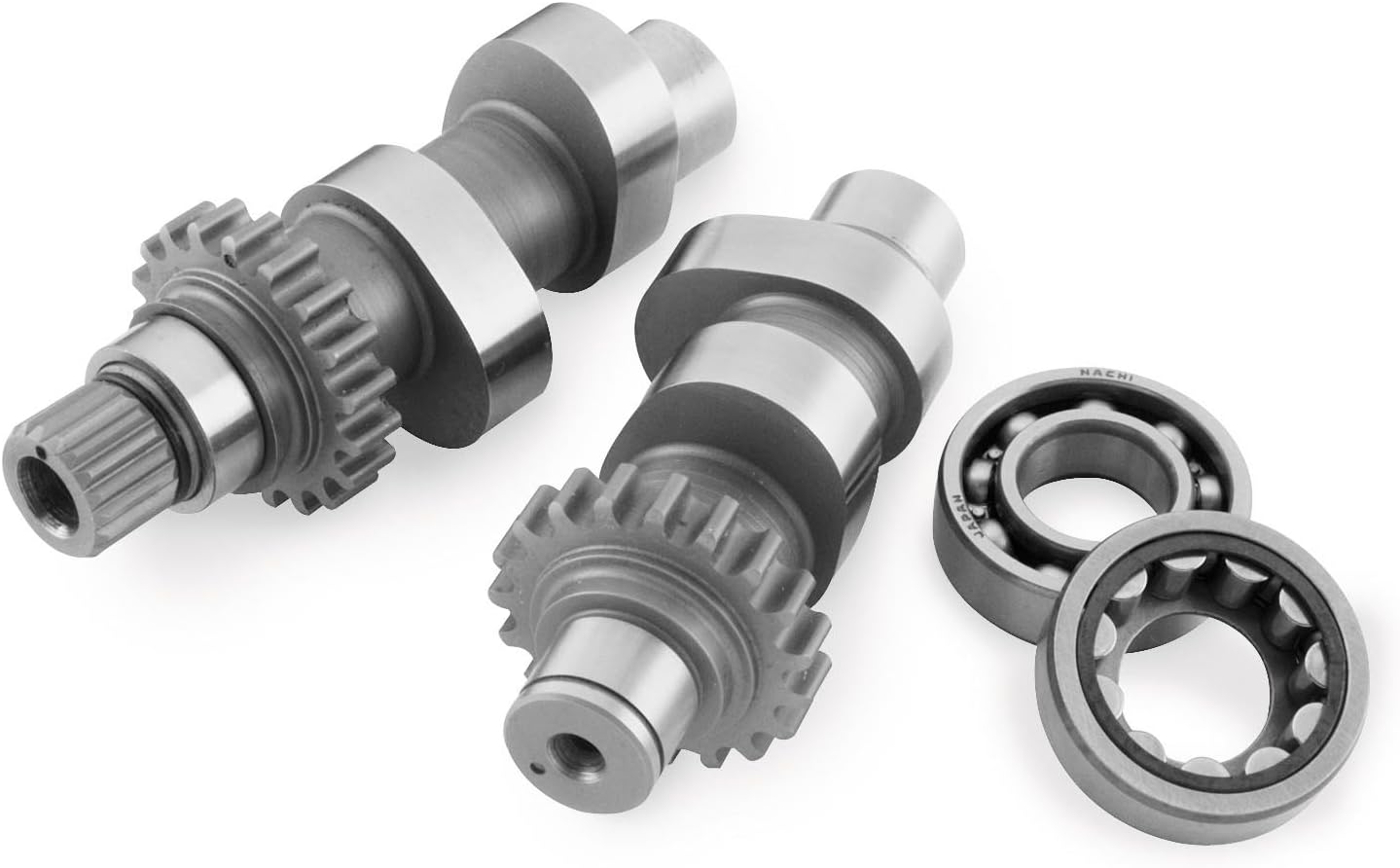
Andrews TW37B (288137)
The TW37B is the more performance-oriented Andrews chain-drive choice in this comparison. Its .510-inch lift and longer valve events give it a different brief from a very mild replacement cam: it is worth considering when you want to use the engine’s midrange rather than keep the change as subtle as possible.
Andrews lists the exact 288137 for the early Twin Cam family and includes the TW37B among the cams that bolt into engines with stock heads and pistons. The stock-size lobe base circles also make it possible to retain the correct original pushrod lengths when the surrounding engine remains suitable.
The useful distinction is character, not a guaranteed horsepower number. This is a sensible cam to discuss for a stock-displacement engine with a coordinated intake, exhaust and tune. A rider mainly interested in the gentlest low-speed response has milder options below; a developed high-compression build has different needs again.
Features
- Early chain-drive part 288137
- .510-inch valve lift
- Stock-head/piston bolt-in group in Andrews instructions
Pros
- Performance-oriented option without requiring head work in the specified application
- Retains the early chain-drive layout
Cons
- More duration is not automatically the best choice for relaxed low-rpm riding
- Requires the early cam family, not the later 37H version
S&S 509C (330-0016) (Editor’s Choice)
The 509C is the most straightforward overall choice here for a stock-style 88 upgrade. S&S designed it as a high-torque bolt-in profile for the early Twin Cam, so its purpose is useful performance in a largely standard engine rather than making a large lift number the selling point.
Its .509-inch lift and chain-drive arrangement keep the project closer to the original layout than a gear-drive conversion. That matters when the goal is a sensible cam change with stock heads: there is less reason to add the separate mechanical requirements of a different drive system just to reach a useful street combination.
The exact 330-0016 is the early, splined chain-drive kit. It earns Editor’s Choice for that practical balance of application, profile and installation scope. The existing chains and tensioners still need inspection; keeping the original type of drive does not make worn components suitable for reuse.
Features
- High-torque 509 profile
- .509-inch valve lift
- Early splined chain-drive kit 330-0016
Pros
- Good overall fit for a stock-style 88 combination
- Avoids the added scope of a gear-drive conversion
Cons
- Does not eliminate chain or tensioner maintenance
- A performance build with different compression or heads may need another profile
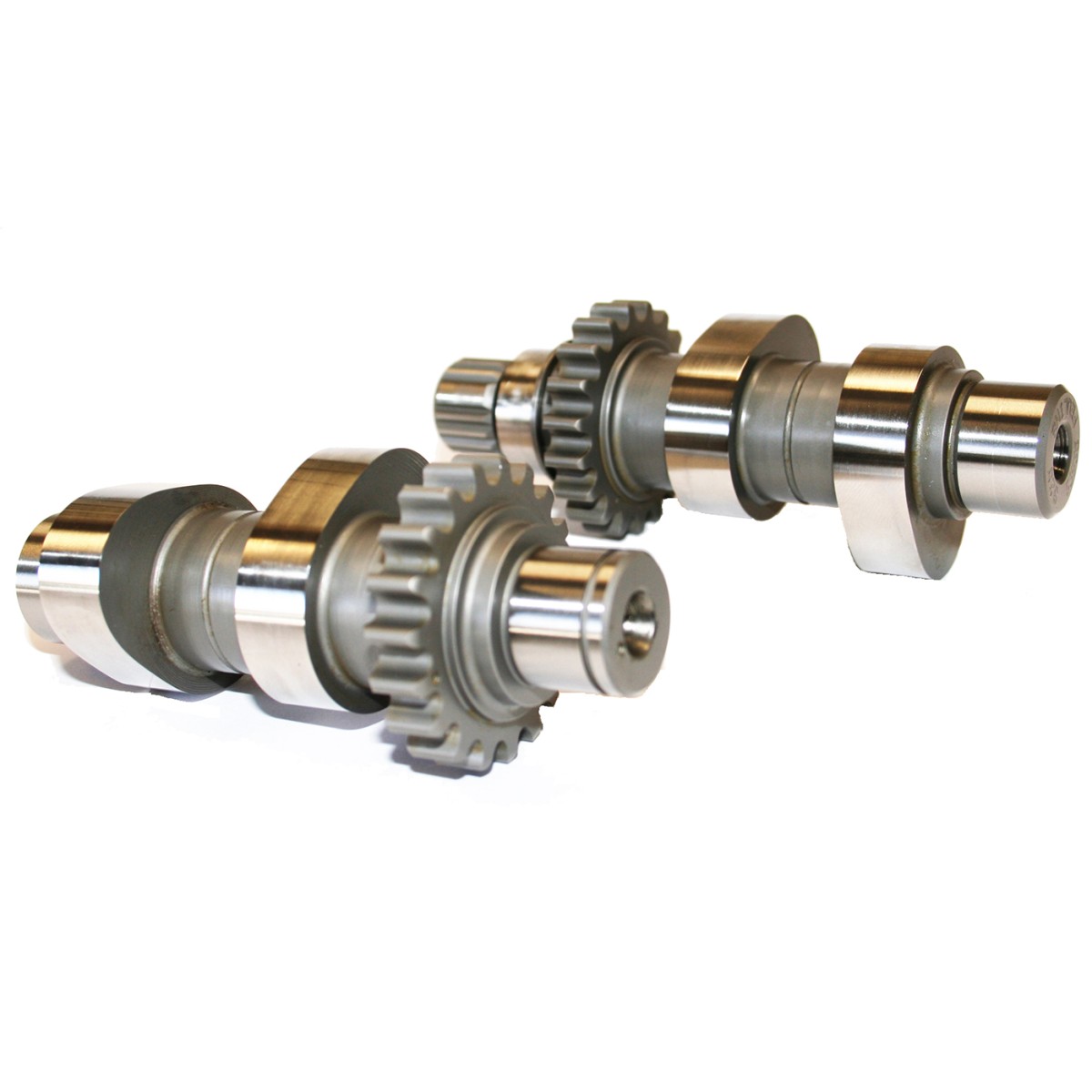
Feuling Reaper 525 (1001)
The 525 is Feuling’s workhorse choice, with a broad low- and midrange brief rather than a narrow peak-power target. That makes it appealing for a road bike where clean response through ordinary riding speeds matters more than spending every ride near the rev limit.
The exact 1001 is the early chain-drive version. It uses .525-inch intake and .535-inch exhaust lift, and Feuling says it can work with factory valve springs, pushrods and lifters in the specified application. Its appeal is a coordinated street upgrade without automatically turning the cam change into a major valvetrain project.
Feuling also notes a specific extra step for 1999 engines using the keyed rear cam arrangement: a suitable splined rear sprocket is needed. That is worth putting on the installer’s parts list at the start. Choose this profile for useful breadth, rather than expecting a dedicated top-end grind.
Features
- Early chain-drive part 1001
- .525-inch intake and .535-inch exhaust lift
- Manufacturer permits factory valvetrain components for the specified fit
Pros
- Broad low- and midrange design
- Practical street-oriented alternative to a more aggressive grind
Cons
- Keyed 1999 applications need a suitable splined rear sprocket
- Not designed primarily around maximum high-rpm power
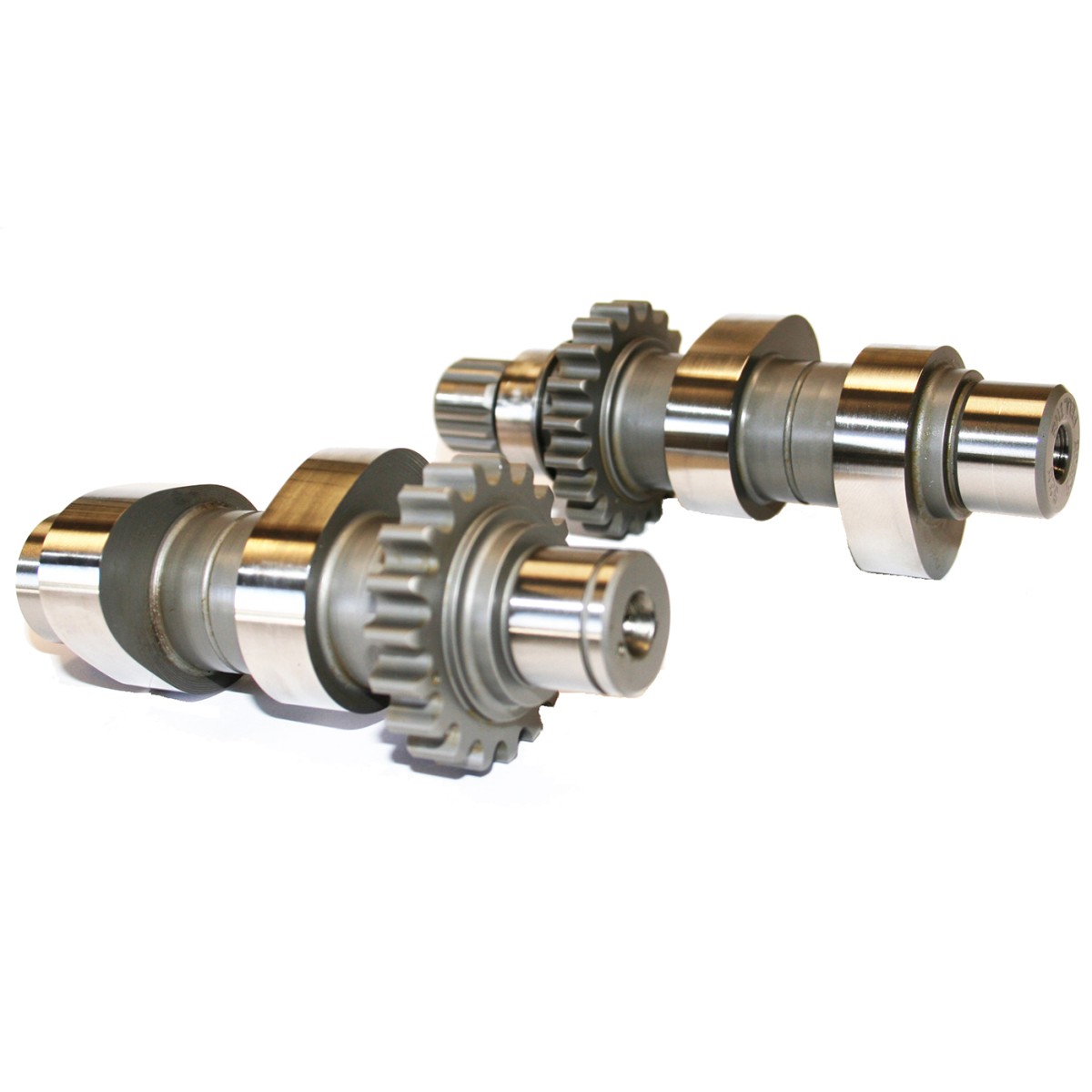
Feuling Reaper 543 (1000) (Best for Highway Use)
Feuling calls the 543 the Freeway Flyer, and the distinction from its 525 is useful. It is aimed at riders who want the engine to keep pulling farther through the rev range, rather than concentrating the entire change at the bottom end. Feuling specifies a 1,900-6,000 rpm operating range for this profile.
The correct early version is part 1000, with .543-inch intake and .553-inch exhaust lift. Its appeal is the extra upper-range emphasis while remaining an option for an 88-inch engine. It also leaves room for suitable intake, exhaust and compression changes in a coordinated build.
The supporting work is important: Feuling requires performance valve springs on 1999-2004 engines. That makes it a less simple purchase than the milder bolt-in choices for those bikes. Keep it on the shortlist when that work is already part of the plan; otherwise, a less demanding profile may be the better match.
Features
- Early 543 chain-drive part 1000
- .543-inch intake and .553-inch exhaust lift
- Manufacturer operating range of 1,900-6,000 rpm
Pros
- More upper-range emphasis than Feuling’s 525
- Useful option for a planned, coordinated performance upgrade
Cons
- Performance valve springs required on 1999-2004 engines
- Not the simplest low-work touring upgrade
Andrews TW26A (288126)
The TW26A is a moderate Andrews alternative for a stock-head 88. Its .490-inch lift keeps the specification restrained, and the 226-degree intake duration is shorter than the TW37B’s. That makes it a sensible comparison when a more modest street build is the goal.
The exact 288126 is the early chain-drive part. Andrews includes the TW26A in its stock-head and stock-piston bolt-in group, which is a useful distinction from high-lift cams that require extra valve travel. The cam still needs to be part of a properly tuned combination; its mechanical fit does not establish the correct fueling by itself.
This is a good profile to discuss when you want an upgrade without jumping straight to a more aggressive setup. The trade-off is the same restraint that makes it appealing: an engine developed for substantially higher-rpm power may justify a different grind. For an ordinary road bike, that is often a sensible compromise.
Features
- Early chain-drive part 288126
- .490-inch lift
- Stock-head/piston bolt-in guidance from Andrews
Pros
- Moderate option for a stock-style street build
- Keeps the original type of cam drive
Cons
- Not intended to solve a heavily modified engine’s tuning needs
- Later 26H and conversion versions are different parts
S&S 510G (33-5177)
The 510G makes sense when a gear-drive conversion is part of the project, rather than an incidental extra. The early 33-5177 kit brings the 510 profile to the correct Twin Cam family, with .510-inch lift and a midrange-oriented brief for stock, unported heads.
S&S places the 510’s useful emphasis around 3,000-5,500 rpm and identifies it for engines below 9.7:1 compression. It is a different proposition from the near-stock 475G: the aim is a more noticeable cam change alongside the switch to gears, rather than simply replacing the drive arrangement with a mild profile.
Gear drive removes the cam chains and their tensioners, but it adds its own requirements. Crankshaft runout and gear fit must meet S&S specifications, and setup quality matters. This is worth comparing during a planned cam-chest project; it is less appealing if the objective is the smallest possible installation job.
Features
- Early 510G kit 33-5177
- .510-inch lift
- Gear-drive conversion for the specified early engine
Pros
- Performance-oriented alternative to the mild 475G
- Removes the chain/tensioner arrangement when correctly installed
Cons
- Requires suitable crankshaft runout and careful gear setup
- More involved than retaining a compatible chain drive
S&S 475G (106-4033)
The 475G is the conservative gear-drive option. S&S describes the 475 as a stock-replacement profile for an 88-inch engine with stock compression, so the reason to choose it is a mild cam character combined with a planned change of drive system.
The exact 106-4033 is the early Twin Cam kit. Its .475-inch lift is much closer to the original type of specification than the higher-lift performance options here. That makes it worth considering when the cam chest is already being rebuilt and a dramatic change in the engine’s character is not the goal.
The mild profile does not make the gear conversion a simple drop-in job. Crankshaft runout, gear fit and the complete installation still need attention. Judge this as a drive-system project with a restrained cam, rather than expecting the profile alone to deliver the power gains of a more aggressive choice.
Features
- Early 475G kit 106-4033
- .475-inch valve lift
- Stock-replacement profile for an 88 with stock compression
Pros
- Conservative cam choice for a planned gear-drive build
- Clear alternative to more performance-focused profiles
Cons
- Gear-drive setup requirements still apply
- Not the choice for a large change in cam performance
Frequently Asked Questions about the Twin Cam 88
How to Pick the Best Cam for TC88 Harley Touring?
For a TC88 Harley touring bike, prioritize useful response at the engine speeds you actually use. A passenger, luggage, gearing and exhaust all affect the combination. The S&S 509C, Feuling 525 and Andrews TW26A provide useful starting points for a street-focused discussion; the right choice depends on the complete engine and workload.
Compatibility with the Bike
Match the complete manufacturer number to the engine and drive hardware. The 2006 Dyna uses the later arrangement and is excluded from these early-family selections. Earlier engines converted to later roller-chain hardware also need the appropriate conversion parts. A familiar cam name is not enough to establish fit.
Cam Duration
Duration describes how long the valves remain open, but the checking height matters when comparing figures. Longer duration can shift the character of the engine rather than improve every part of the rev range. Consider intake closing, lift, compression and the manufacturer’s intended use together.
Compatibility with Components
As with any engine camshaft change, check the components around the cam. Springs, valve clearances, pushrods, lifters, bearings and cam-drive condition all matter. Bolt-in guidance assumes the specified engine; it does not cancel normal installation checks. Gear-drive kits add crankshaft-runout and gear-fit requirements.
Torque
A heavy street bike benefits from a coherent low- and midrange combination. Do not choose a cam solely from an advertised peak horsepower gain on another engine. Cam timing does not change the engine’s mechanical compression ratio, and a cam cannot repair worn components. Include suitable carburetor or fuel-injection calibration in the finished job.
Conclusion: the Best Cam for a Stock Twin Cam 88 Is…
The S&S 509C is the overall choice for a practical, stock-style early 88 upgrade. The Feuling 525 and Andrews TW26A are useful street alternatives, while the TW37B and correctly matched Feuling 543 suit a more performance-oriented plan. The 510G and 475G are worth comparing when a gear-drive conversion is part of the project.
Choose the exact early-family part and the character you want from the engine. A complete installation plan will do more for the result than chasing the largest lift or treating every Twin Cam kit as interchangeable.